
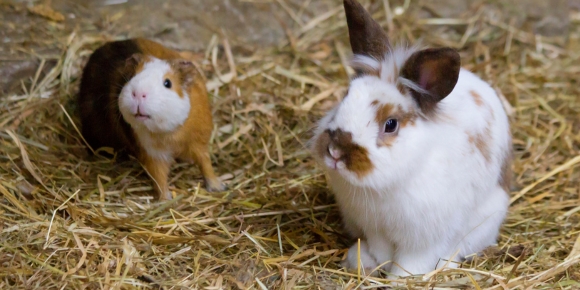
Gut Stasis in Rabbits
Rabbits have a unique digestive system, more comparable to horses than to cats, dogs, or humans. Their gut depends on a constant flow of fibrous food like hay and grass to stay active and healthy. When this process is disrupted, it can result in a serious and sometimes life-threatening condition known as gut stasis.
What Is Gut Stasis?
Gut stasis, or gastrointestinal stasis, occurs when the rabbit’s digestive system slows down or stops. This leads to a build-up of gas and fluid in the intestines, causing painful bloating. The discomfort causes the rabbit to stop eating, which worsens the condition. Without timely treatment, gut stasis can result in dehydration, malnutrition, and death.
Causes
Gut stasis can be triggered by:
- A low-fibre diet
- Pain, particularly from dental issues
- Stress (such as changes in environment or loss of a companion)
- Viral infections
- Effects of anaesthesia or surgery
Signs to Watch For
- Reduced appetite
- Fewer or smaller droppings
- Lethargy or hunched posture
- Tooth grinding (a sign of pain)
If your rabbit shows any of these signs, seek veterinary care immediately.
Treatment
Prompt intervention is essential. If gut stasis is suspected, your vet may recommend:
- Syringe feeding with a high-fibre recovery diet
- Pain relief
- Medication to stimulate gut movement
- Fluid therapy for hydration
Addressing any underlying cause, such as dental disease, may follow once the digestive system stabilises.
Prevention
While some causes are unpredictable, many cases related to diet and dental health are preventable with proper care. The most effective prevention is maintaining a fibre-rich diet:
- Around 85% hay or grass
- Up to 10% leafy green vegetables
- No more than 5% high-fibre pellets
- Fresh water available at all times
Avoid muesli-style mixes and high-sugar treats, which encourage selective feeding and disrupt digestion.