
Is Your Small Pet Autumn Ready?
As we move through autumn and head closer to winter, owners in Buckinghamshire may be wondering, ‘How will colder weather affect my small pet?’ – and the changes aren’t always obvious. That’s why our team at Milton Keynes Vets are here to fill you in on changes to small pet care and routines, whether you’re the proud parent of a hamster, rat, rabbit, guinea pig, ferret or another small pet.
If you would like tailored guidance for your small pet, we’re happy to take a look – book a small pet appointment today with our friendly team at Milton Keynes Vets.
Why the transition to autumn matters
Small pets can be very sensitive to seasonal changes such as temperature and daylight, especially if they are housed in an outdoor enclosure. These shifts can affect a range of things, from biology to behaviour. Our team in Milton Keynes explain that this will vary by species.
One thing our team at Milton Keynes Vets note – if your pet lives in an outdoor enclosure, it’s worth keeping an eye on overnight temperatures, as small pets can be very sensitive to sudden drops in temperature. If it gets particularly cold, bringing them indoors for that period is often the safer option.
What to expect by species
Here’s what to look out for with some of the most common small pets:
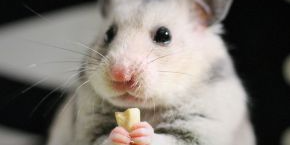
- Hamsters: As temperatures drop, hamsters can’t regulate their body temperature as efficiently, so it’s important to keep their cage in a warm, draught-free spot and add extra bedding for burrowing and warmth.
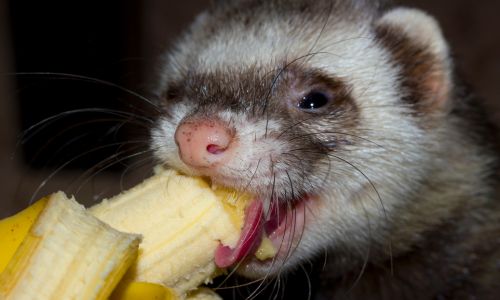
- Ferrets: Shorter daylight hours for ferrets mean a heavier coat, natural weight gain and hormonal shifts – coats may completely change for the colder seasons. Our team at Milton Keynes Vets share that you may even notice changes in colour, tone and markings. Ferrets may also experience a natural drop in activity levels during cold seasons. Keeping bedding dry is especially important during this period, as damp bedding can quickly lead to illness.
- Rabbits: Colder seasons often bring less foraging for outdoor rabbits – so it’s worth increasing hay in their diet to keep fibre intake up and support gut health. For those staying outdoors this autumn in Buckinghamshire, it’s also worth watching for fallen berries or seeds that can be harmful if eaten. Rabbits often shed more heavily this time of year too, so regular grooming helps reduce the amount of fur they swallow, which can contribute to gut problems, and lets you check for any skin issues.
- Guinea pigs: Guinea pigs are sensitive to sudden changes, so a consistent routine matters whether they stay outdoors or move inside for the season. With less fresh grass, top up hay and add extra enrichment indoors to make up for reduced outdoor time.
- Rats and chinchillas: Both are typically indoor pets and therefore cope well with the seasonal shift if their room is kept free from cold draughts and away from temperature swings.
Getting your small pet through the transition
Whatever animal shares your home, a few basics can go a long way: keep routines consistent, watch for any unusual changes, and provide extra enrichment if outdoor time is reduced.
If you’re ever unsure, our team at Milton Keynes Vets are here to help. Book a small pet check-up.