
What Is Plaque and How to Prevent Dental Disease
Dental disease is one of the most common health problems we see in pets, yet it is often underestimated by owners. Plaque, a sticky biofilm of bacteria and food debris, forms continuously on teeth and, if left untreated, progresses to tartar. This progression can cause gum inflammation, infection, pain, tooth loss, and in severe cases, systemic issues affecting the heart, liver, and kidneys.
Understanding Plaque and Tartar:
Plaque is invisible to the naked eye in early stages. Over time, it mineralises into tartar (calculus), which is hard and firmly attached to the teeth. Tartar acts as a reservoir for bacteria, worsening gum inflammation and accelerating periodontal disease.
Signs of Early Dental Disease:
- Persistent halitosis (bad breath)
- Yellow or brown deposits on teeth, especially near the gumline
- Red, inflamed, or bleeding gums
- Pawing at the mouth or reluctance to chew
- Dropping food or eating on one side
How You Can Protect Your Pet:
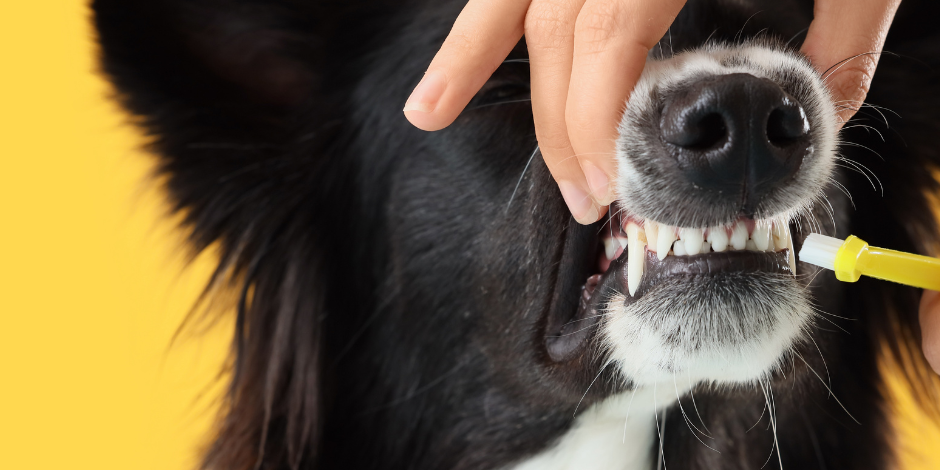
- Home dental care: Brushing with pet-safe toothpaste at least every other day is the best way to prevent plaque build-up. Nothing replaces brushing when it comes to effectively controlling plaque and protecting your pet’s teeth and gums.
- Dental chews & toys: These can help reduce tartar accumulation and support oral health, but they are complimentary to brushing — not a replacement. Chews and dental products alone will not prevent plaque build-up.
- Professional care: Regular dental assessments with a veterinary nurse or vet ensure early detection of dental disease and allow us to address any issues before they become more serious.
“Pets rarely show pain until dental disease is advanced. Early intervention is key to preventing discomfort and systemic complications.” — Dr Bob Smith, BVetMed, PGCertDent
Our FREE dental nurse consultations run all March. Book today to check your pet’s teeth before issues develop.
At Milton Keynes Vet Group, we see first-hand how effective home dental care can prevent painful and expensive procedures later. Brushing at home is the most effective way to control plaque, but it’s important to do it safely and comfortably for your pet.
Research suggests that brushing every other day is the minimum needed to effectively disrupt the biofilm that forms on teeth and prevent plaque from hardening into tartar. Daily brushing is ideal.