
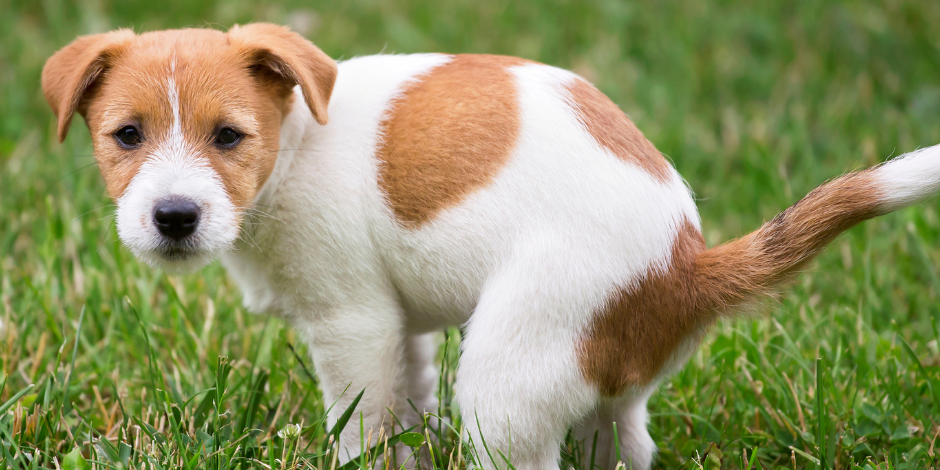
What Should I Do If My Pet Has Diarrhoea?
Loose stools can occur occasionally, though persistent diarrhoea can indicate an underlying health issue. Here’s what you need to know about managing your pet’s diarrhoea and when it’s time to visit the vet.
Understanding Diarrhoea in Pets
Diarrhoea in pets refers to loose, watery stools that can occur for a variety of reasons. Diarrhoea can range from mild to severe, and it may last anywhere from a few hours to several days. While it’s sometime an isolated incident caused by change in diet or something they’ve eaten, diarrhoea that persists or is accompanied by other symptoms can be a sign of something more serious.
Common Causes of Diarrhoea in Pets
There are many possible causes of diarrhoea in pets, including:
- Dietary Indiscretions: Pets often eat things they shouldn’t, such as garbage, spoiled food, or human food that doesn’t agree with them. This can cause digestive upset.
- Diet Changes: Switching your pet’s food abruptly or feeding them something new can lead to gastrointestinal upset.
- Parasites: Intestinal worms or other parasites can cause diarrhoea. This is especially common in puppies, kittens, and pets that spend time outdoors.
- Infections: Bacterial, viral, or fungal infections can affect the gastrointestinal system, leading to diarrhoea.
- Food Sensitivities or Allergies: Certain foods can trigger an allergic reaction or intolerance, leading to digestive issues.
- Stress: Stress from changes in environment, travel, or new situations can sometimes cause diarrhoea in pets.
- Underlying Health Conditions: Conditions such as inflammatory bowel disease (IBD), pancreatitis, liver disease, or even cancer can cause chronic diarrhoea.
When to Treat Diarrhoea at Home
In some cases, mild diarrhoea may resolve on its own without the need for veterinary treatment. Here’s what you can do if your pet’s diarrhoea seems manageable:
1. Hydration
- Diarrhoea can lead to dehydration, so it’s essential that your pet stays hydrated. Ensure they have access to fresh water at all times. They may also benefit from an electrolyte solution formulated for pets, speak to our team should this be needed.
2. Bland Diet
- Boiled chicken (without skin or bones) and plain boiled rice is often recommended for dogs. For cats, a small portion of boiled chicken or turkey may help. Avoid giving your pet any treats, or fatty foods while they recover.
3. Monitor Symptoms
- Keep a close eye on your pets symptoms. If they appear to be improving after 24-48 hours, you can slowly reintroduce their regular food. However, if diarrhoea persists, or other symptoms appear it would be recommended to arrange an appointment with one of our vets.
When to Seek Veterinary Help
While many cases of diarrhoea resolve on their own, there are situations where veterinary intervention is necessary. You should contact Milton Keynes Veterinary Group if your pet experiences:
1. Diarrhoea Lasting More Than 24-48 Hours
- If your pet’s diarrhoea doesn’t improve or stops but recurs after a day or two, it could be a sign of an underlying health issue that requires medical attention.
2. Severe Diarrhoea
- If your pet’s diarrhoea is particularly watery, frequent, or has a strong, foul odour, it could be a sign of a bacterial infection, parasites, or another serious condition.
3. Blood in the Stool
- If you notice blood in your pet’s stool, this is a cause for concern. Blood can indicate internal bleeding, a gastrointestinal infection, or a more serious condition like parasites or even cancer.
4. Vomiting, Fever, or Lethargy
- If your pet is vomiting, has a fever, appears lethargic, or refuses to eat or drink, these are signs that they may be seriously ill. Immediate veterinary care is needed in these cases.
5. Puppies and Kittens
- Younger pets are more vulnerable to dehydration and infections. If your puppy or kitten has diarrhoea, it’s important to seek veterinary advice immediately. Dehydration can occur quickly in young animals, so it’s important to get them treated as soon as possible.
6. Signs of Dehydration
- Diarrhoea can lead to dehydration, and it’s important to watch for signs such as dry gums, sunken eyes, and reduced skin elasticity (skin doesn’t return to its normal position when gently pulled). If you suspect dehydration, contact your vet immediately.
What to Expect at the Vet
When you bring your pet to Milton Keynes Veterinary Group, your vet will conduct a thorough examination and may recommend tests to determine the cause of the diarrhoea. This might include:
- Stool analysis: To check for parasites, bacteria, or other abnormalities.
- Blood tests: To assess organ function or look for signs of infection or disease.
- Imaging: In some cases, X-rays or ultrasound may be necessary to evaluate your pet’s gastrointestinal system.
Diarrhoea is a common issue for pets, but while it may seem like a simple problem, it can sometimes signal more serious underlying condition. If you’re concerned about your pet’s diarrhoea or if their symptoms worsen, don’t hesitate to reach out to the team at Milton Keynes Veterinary Group.