
6 Breed-Specific Conditions You Might Not Know About
Important health considerations for new dog owners
Choosing a specific dog breed comes with plenty of considerations — temperament, size, grooming needs — but one factor that is often overlooked is the health risks that come with certain breeds.
While some conditions are well known (such as hip dysplasia in larger breeds), others are less widely discussed. As veterinary professionals, we believe new pet owners should be aware of these potential issues so they can monitor for early signs and make informed healthcare decisions.
Here are six breed-specific health conditions that are important to understand:
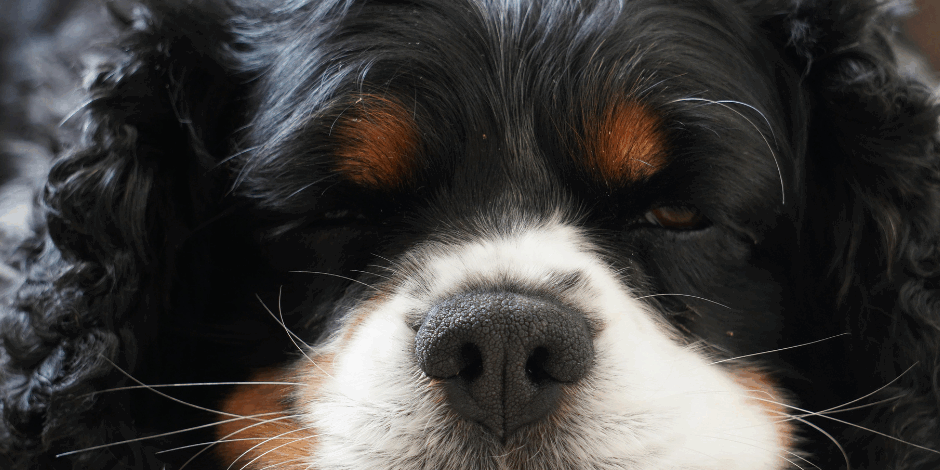
1. Cavalier King Charles Spaniels – Chiari-like Malformation (CM) and Syringomyelia (SM)
The Cavalier King Charles is predisposed to Chiari-like Malformation (CM), a skull deformity that compresses the brain, often leading to Syringomyelia (SM), where fluid-filled cavities develop in the spinal cord. These neurological conditions can cause significant discomfort and, in some cases, severe pain.
Signs to watch for:
- Scratching at the air or neck (without contact)
- Yelping or sensitivity when touched around the head or neck
- Weakness or unsteady movement
- Apparent pain without a clear cause
While not all Cavaliers are affected, early signs should always prompt veterinary investigation.
2. Boxers – Mast Cell Tumours
Boxers are genetically predisposed to Mast Cell Tumours — a type of skin cancer that can vary widely in appearance and behaviour. These tumours may grow quickly, change size, or remain unnoticed or unchanged until more advanced.
Signs to watch for:
- New lumps or bumps
- Changes in an existing lump
- Local swelling, redness, or ulceration
- Vomiting or lethargy (in some cases)
Any new or changing skin legion in a any breed should be assessed promptly, but this is particularly important for Boxers. Early removal and diagnosis can significantly improve the outcome.
3. Dalmatians – Urinary Crystals and Bladder Stones
Dalmatians process uric acid differently to other dog breeds due to a genetic trait, making them prone to forming urinary crystals and stones – in particular, urate stones. The presence of stones can cause discomfort, infection and even urinary obstruction if left untreated.
Signs to watch for:
- Straining to urinate
- Frequent urination in small amounts
- Blood in the urine
- Licking at the urinary area
- Discomfort when urinating
A specialised diet and proper hydration can help manage and reduce the risk of crystal formation.
4. French Bulldogs – Brachycephalic Obstructive Airway Syndrome (BOAS)
French Bulldogs, like other flat-faced (brachycephalic) breeds, are susceptible to BOAS — a set of anatomical abnormalities affecting breathing. This can significantly affect their quality of life and tolerance for exercise or heat.
Signs to watch for:
- Noisy or laboured breathing
- Snoring while awake
- Difficulty exercising
- Gagging or regurgitation after eating or drinking
- Heat intolerance
In more severe cases, surgery may be required to improve airflow and comfort.
5. Dachshunds – Intervertebral Disc Disease (IVDD)
Due to their long backs and short legs, Dachshunds are particularly prone to spinal issues, especially IVDD. This condition occurs when the discs between vertebrae bulge or rupture, pressing on the spinal cord.
Signs to watch for:
- Hesitance to jump or climb stairs
- Sudden yelping or signs of pain
- Weakness or paralysis in the hind limbs
- Loss of bladder or bowl control
IVDD is considered a veterinary emergency when signs appear suddenly and requires immediate attention.
6. Labrador Retrievers – Exercise-Induced Collapse (EIC)
Some Labradors carry a genetic mutation that causes Exercise-Induced Collapse. Dogs affected by this condition may appear normal until intense exercise triggers sudden weakness or collapse.
Signs to watch for:
- Wobbliness or loss of coordination after vigorous activity
- Dragging of hind legs
- Full collapse, usually followed by recovery within 10–30 minutes
While manageable with activity modifications, a diagnosis through genetic testing is important to prevent serious episodes.
Takeaway for Pet Owners
Understanding the potential health issues linked to your dog’s breed allows for earlier detection and proactive management. While not every individual will experience these conditions, being informed can help prevent complications and ensure better outcomes.
Recommendations:
- Schedule regular veterinary check-ups
- Monitor for early or subtle signs of illness
- Discuss breed-specific screening options with your vet
- Maintain a healthy lifestyle and weight for your pet
If you have questions about your dog’s breed-related risks, our veterinary team is here to support you.
To learn more or book an appointment, click here